

Menu
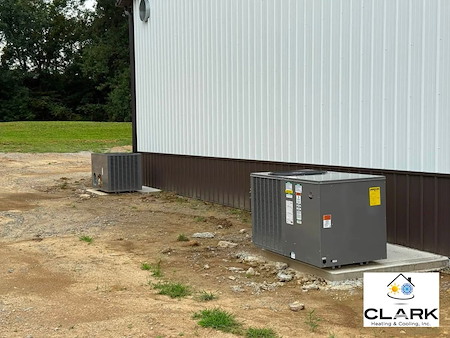
When summer turns sticky in Milford, OH and your air conditioner starts shrieking or banging, every minute feels longer. Strange sounds are more than annoying. They are your system’s way of saying something is wrong. If you notice any of the noises below, it is time to schedule ac repair with a licensed HVAC pro at Clark Heating & Cooling, Inc. For fast help, call 513-831-3443 and we will guide your next safe step.
Greater Milford neighborhoods like Miami Township, Terrace Park, and Loveland see hot, humid spells that push cooling systems hard. Under that load, weak parts get louder before they fail. Here is what common noises often point to and why quick attention matters.
Screeching usually points to a failing condenser fan motor or a dry bearing. In some cases the blower wheel is rubbing the housing because a set screw loosened. Continuing to run the system can score the shaft and damage the motor beyond repair. Turn it off if the screeching spikes suddenly and call a pro.
Heavy bangs often mean a loose or broken part is slamming around. Indoors it might be a blower wheel with a missing blade. Outdoors it could be a fan blade hitting a slipped shroud or a compressor issue. Left alone, the vibration can crack mounts and damage the cabinet.
Continuous hissing or bubbling can signal a refrigerant problem, while a sharp whistle may point to duct air leaks or a blocked return. Loss of refrigerant harms cooling performance and can freeze coils. Duct leaks pull dusty attic or crawlspace air into your home, lowering comfort and air quality.
Buzzing often traces back to contactors, relays, or loose electrical connections. Intermittent zaps suggest arcing. Electrical smells or visible sparks call for immediate attention. Do not press reset repeatedly. Let a trained technician test safely.
Frequent clicking with fast on-off cycling can come from a control board problem, a failing capacitor, airflow restrictions, or incorrect system pressures. This is hard on compressors and quickly inflates energy use.
Grinding is a red flag for severe bearing wear or internal compressor issues. Metal shavings travel and escalate the damage. If you hear grinding, shut the system down and contact a professional before restarting.
Rattles may be loose panels, unsecured filter doors, or ductwork flexing under high static pressure. What seems minor can still point to airflow problems that overwork motors.
Local tip: After intense summer storms in Clermont County, windblown debris can press against outdoor units. If you notice branches or yard waste at the cabinet, keep kids and pets away and call a pro to inspect before running the system again. It can prevent bigger damage.
Unusual sounds are early warnings. Acting quickly protects your home, your comfort, and your equipment life:
In our river-valley climate, humidity makes minor cooling issues feel much worse indoors. A careful repair early often restores quiet operation and better dehumidification the same day.
Some situations should not wait. If you experience any of these, request emergency help right away:
Milford homes range from older ranches to newer two-stories with long duct runs. Those longer ducts can hide developing problems, so any rapid change in noise or airflow deserves prompt attention.
Guessing wastes time. A trained HVAC technician follows a structured process to pinpoint the cause and confirm the fix.
Here is what a professional visit typically includes:
Listening and replication. Your tech will ask when the noise happens, then safely reproduce it to narrow the source: indoor blower, outdoor fan, compressor, or ductwork.
Targeted inspection. The tech checks fan blades, motor mounts, refrigerant lines, isolation pads, and access panels. They look for rub marks, fresh metal dust, loose hardware, and heat discoloration.
Electrical testing. Expect meter checks on capacitors, contactors, relays, and motor windings. Abnormal readings help separate an electrical buzz from a mechanical grind.
Airflow and pressure. Static pressure and temperature split reveal whether the system is starved for air, which can drive whistles and rattles. If odd odors or poor airflow accompany the noise, your tech may recommend improving indoor air quality to protect comfort and equipment.
System performance. Refrigerant measurements verify that pressures and superheat match conditions. This confirms or rules out hissing caused by a leak.
Only after those checks does a pro recommend a fix. That could mean securing a blower wheel, replacing a fan motor, correcting duct leaks, or addressing control issues.
You do not have to live with clanks and squeals every summer. Professional maintenance and smart system planning go a long way toward a quiet, efficient home.
Consider these pro-led steps to lower the chance of noise returning:
If your system is older and repairs are piling up, your tech can also explain whether a quieter, properly sized replacement would serve your Milford home better. You can explore options on our hvac tips page for planning insight before your visit.
Every home tells a slightly different story, but the patterns are familiar in our area:
Outdoor unit wails in a cul-de-sac. Screeching from a home near the Little Miami River traced back to a failing condenser fan motor. Replacing it restored quiet and brought head pressures back in line with the weather.
Rattle in a split-level off State Route 28. The cause was a loose blower access panel amplified by high static pressure. Securing the panel and correcting a crushed return elbow solved the noise and improved airflow to upstairs bedrooms.
Buzzing in a new build near Miami Township. Electrical buzzing under load came from pitted contactor points. A safe electrical repair stopped the noise and prevented intermittent short cycling.
Protect your family and your system by avoiding these common missteps:
Do not remove panels or reach into the unit. Spinning blades and high voltage make that dangerous. Even when the system is “off,” components can move or hold charge.
Do not keep resetting a tripped breaker. Repeated trips are a warning. Each reset increases the risk of equipment damage or a safety event.
Do not run the system if grinding, burning smells, or smoke appear. Shut it down and call a professional immediately.
When you call Clark Heating & Cooling, Inc, clear descriptions help us help you faster. Share where the noise comes from, when it starts, and how it changes. If the system has shut itself off or is short cycling, let us know. That points our team toward the right tools and parts before we arrive for air conditioner repair.
For background on our broader cooling work, you can browse our ac category at our ac services. If odors or dust are part of the problem, improvements to indoor air quality can often reduce stress on the system and quiet it down.
If the noise is growing louder or your home is warming up, do not wait. Learn more about AC repair in Milford, OH and call Clark Heating & Cooling, Inc at 513-831-3443. Our team will schedule a licensed technician to diagnose the sound, explain the findings in plain language, and restore safe, steady comfort.
Strange sounds are a problem you can solve, and the solution starts with a thorough check by a trusted HVAC partner. From the first phone call to final testing, Clark Heating & Cooling, Inc focuses on safety, clarity, and workmanship that lasts. Reach out today to schedule service or request priority help for urgent issues.
When summer turns sticky in Milford, OH and your air conditioner starts shrieking or banging, every minute feels longer. Strange sounds are more than annoying. They are your system’s way of saying something is wrong. If you notice any of the noises below, it is time […]
Cold snaps in Clermont County can arrive fast. If your boiler starts making new noises, throws error lights, or stops keeping up, it is time to talk to a pro. Quick action protects your home, your family, and your budget. When you notice the red flags […]
